Top 5 Materials for Long-Lasting, Beautiful Decks

January 28, 2026

A deck is more than just an outdoor extension of your home; it’s a space for relaxation, entertainment, and connection with nature. As homeowners increasingly invest in outdoor living spaces, selecting the right decking material has become a crucial decision. The material you choose affects not only the aesthetic appeal of your deck but also its durability, maintenance requirements, and overall value. With the wide range of options available today—from traditional wood to modern composite materials—understanding the benefits and limitations of each is essential for making an informed choice. The right selection can enhance your property’s curb appeal, complement your home’s architectural style, and create a safe, comfortable environment for family gatherings and social events.


Investing in a high-quality deck material ensures that your outdoor space withstands the elements, resists wear, and continues to look inviting for years to come. While aesthetics play a significant role, longevity and maintenance are equally important factors that influence the overall cost-effectiveness of your deck. In this guide, we will explore the top five materials for building long-lasting, beautiful decks. Each material is evaluated based on durability, visual appeal, maintenance requirements, and real-world performance, providing homeowners with actionable insights to make the best choice for their property. By understanding these options, you can create a deck that combines elegance, strength, and lasting functionality. Additionally, we will highlight tips for proper care and installation, ensuring your deck remains a reliable and attractive feature for decades.

1. Pressure-Treated Lumber: Affordable Durability

Overview

Pressure-treated lumber remains a popular choice for many homeowners due to its balance of cost, durability, and availability. This wood undergoes a chemical treatment process that protects it from rot, insects, and moisture damage. Its affordability makes it an attractive option for larger projects or for homeowners working within a budget, while still providing the warm, natural aesthetic that wood offers.

Benefits

One of the primary advantages of pressure-treated lumber is its resistance to decay and insect infestation. Unlike untreated wood, it can withstand prolonged exposure to moisture and fluctuating temperatures, making it suitable for various climates. It is also relatively easy to work with using standard tools, allowing for flexible design options.

Challenges

Despite its durability, pressure-treated lumber requires ongoing maintenance. Regular sealing or staining is necessary to prevent warping, cracking, and discoloration over time. Homeowners should also be aware of the chemicals used in the treatment process and handle the material with care during installation and maintenance.

Best Practices

To maximize longevity, choose high-quality lumber with minimal knots and defects. Apply a water-repellent sealant every 1–2 years and inspect for signs of damage regularly. With proper care, a pressure-treated deck can provide decades of reliable service without compromising visual appeal.

2. Cedar: Naturally Resistant and Elegant

  • Overview

    Cedar is a premium softwood that offers a combination of natural beauty and resilience. Known for its rich color, aromatic scent, and fine grain, cedar creates a visually appealing deck that ages gracefully. Its inherent oils act as a natural defense against rot, decay, and insect damage, reducing the need for chemical treatments.

  • Benefits

    Cedar’s natural resistance to moisture and pests makes it a strong candidate for outdoor use. It is lighter than many hardwoods, making installation easier, and its warm, reddish tones provide a classic, inviting look. Cedar also maintains its shape well, resisting warping and splitting under normal conditions.

  • Challenges

    While cedar is more durable than untreated wood, it is softer than hardwoods and can dent or scratch more easily. It also requires periodic maintenance, including cleaning and sealing, to maintain its color and prevent graying from UV exposure.

  • Best Practices

    Selecting clear, tight-grained cedar boards ensures a smoother finish and longer lifespan. Applying a UV-protective stain or sealer every 1–3 years preserves its natural color and enhances weather resistance. With attentive care, cedar decks can last 20 years or more while offering unmatched visual appeal.

3. Redwood: Premium Beauty and Strength

Overview

Redwood is a top-tier option renowned for its strength, natural resistance to decay, and stunning appearance. Its deep, rich hues and smooth texture make it a highly desirable choice for homeowners seeking both elegance and durability in their outdoor space. While it comes at a higher price point, redwood delivers superior longevity and low maintenance relative to many other wood species.

Benefits

The natural oils in redwood protect against insects and rot, allowing decks to maintain structural integrity even in challenging climates. Its density provides excellent stability, minimizing shrinkage and warping over time. Redwood also offers a striking visual appeal, with a warm, deep color that enhances any backyard environment.

Challenges

Redwood’s premium cost can be prohibitive for some homeowners, and availability may vary by region. Additionally, although it is naturally durable, it still benefits from periodic maintenance to retain its color and prevent surface wear.

Best Practices

For a long-lasting redwood deck, select boards graded for exterior use. Routine cleaning and occasional sealing help protect against moisture and sun damage. By investing in high-quality redwood and proper care, homeowners can enjoy a deck that combines elegance and resilience for decades.

4. Composite Decking: Low Maintenance, Modern Appeal

  • Overview

    Composite decking has gained popularity due to its blend of wood fibers and recycled plastics, creating a material that mimics natural wood while offering superior durability. Composite boards are engineered to resist moisture, insects, and UV damage, making them an excellent choice for low-maintenance, long-lasting decks.

  • Benefits

    One of the biggest advantages of composite decking is its minimal maintenance requirements. Unlike traditional wood, it does not require staining, sealing, or painting. It is highly resistant to splintering, fading, and warping, making it safer for families and pets. Additionally, composite materials are available in a variety of colors, textures, and finishes, allowing homeowners to achieve a custom look without compromising durability.

  • Challenges

    Composite decking can be more expensive upfront compared to pressure-treated lumber or cedar. It is also heavier than natural wood, which may require additional structural support. In extreme heat, some composite boards can become hot to the touch, and scratches or stains may be more noticeable on lighter colors.

  • Best Practices

    To ensure a long-lasting composite deck, follow manufacturer guidelines for installation and cleaning. Regularly rinse off debris and use a mild soap solution for stains. Proper ventilation beneath the deck also helps prevent moisture accumulation and extends the material’s lifespan. With these measures, composite decking can maintain its beauty and functionality for 25 years or more.

5. Tropical Hardwoods: Exotic Durability and Luxury

Overview

Tropical hardwoods, such as Ipe, Tigerwood, and Mahogany, offer unmatched durability and a luxurious appearance. These dense, naturally oily woods are incredibly resistant to rot, insects, and extreme weather conditions. While tropical hardwoods are typically the most expensive decking option, their longevity and minimal maintenance make them a cost-effective investment over time.

Benefits

Tropical hardwoods are extremely hard and resistant to dents, scratches, and warping. Their natural oils protect against moisture, insects, and decay, allowing decks to maintain structural integrity for decades. The rich, varied grain patterns and deep, saturated colors create a premium aesthetic that enhances any outdoor living space.

Challenges

The primary drawback of tropical hardwoods is their cost and weight. Installation can be challenging and often requires specialized tools and fasteners. Additionally, sourcing sustainably harvested wood is critical to avoid environmental impact.

Best Practices

Select hardwoods certified by organizations like the Forest Stewardship Council (FSC) to ensure responsible sourcing. Regular cleaning and occasional oiling help preserve color and surface integrity. When properly maintained, tropical hardwood decks can last 40 years or more, providing unmatched beauty and resilience.

Bonus Considerations for Deck Longevity

  • Structural Integrity

    Regardless of the decking material, the structural framework is crucial for longevity. Pressure-treated lumber or rot-resistant materials are recommended for joists and supports. Proper spacing, fastening techniques, and ventilation beneath the deck prevent moisture buildup and reduce the risk of decay.

  • Finishes and Treatments

    Protective coatings, stains, or sealants extend the life of both wood and composite decks. UV protection prevents fading, while water repellents minimize moisture-related issues. Even low-maintenance materials benefit from periodic cleaning and inspections.

  • Design and Installation

    Thoughtful design enhances both durability and usability. Proper slope for drainage, gaps for expansion, and attention to fasteners reduce long-term maintenance challenges. Professional installation ensures structural soundness and maximizes the lifespan of any deck material.

Trusted Professionals Enhancing Outdoor Living Spaces

Choosing the right material is the cornerstone of building a deck that balances beauty, functionality, and durability. From affordable pressure-treated lumber to luxurious tropical hardwoods, each option presents a unique combination of aesthetic appeal, longevity, and maintenance considerations. Homeowners must weigh upfront costs, long-term care, and environmental factors to select the best fit for their property and lifestyle. Proper design, protective finishes, and professional installation further enhance the lifespan and appearance of any deck.


At Decksteriors, LLC, we have over 30 years of experience crafting custom decks in San Antonio, Texas. Our team specializes in delivering long-lasting, visually stunning outdoor spaces tailored to each client’s preferences and property needs. By combining industry expertise with high-quality materials and meticulous installation practices, we ensure every deck not only enhances your home’s value but also provides a durable, inviting space for years of enjoyment. Trust Decksteriors, LLC to bring your dream deck to life with craftsmanship, professionalism, and unmatched experience.

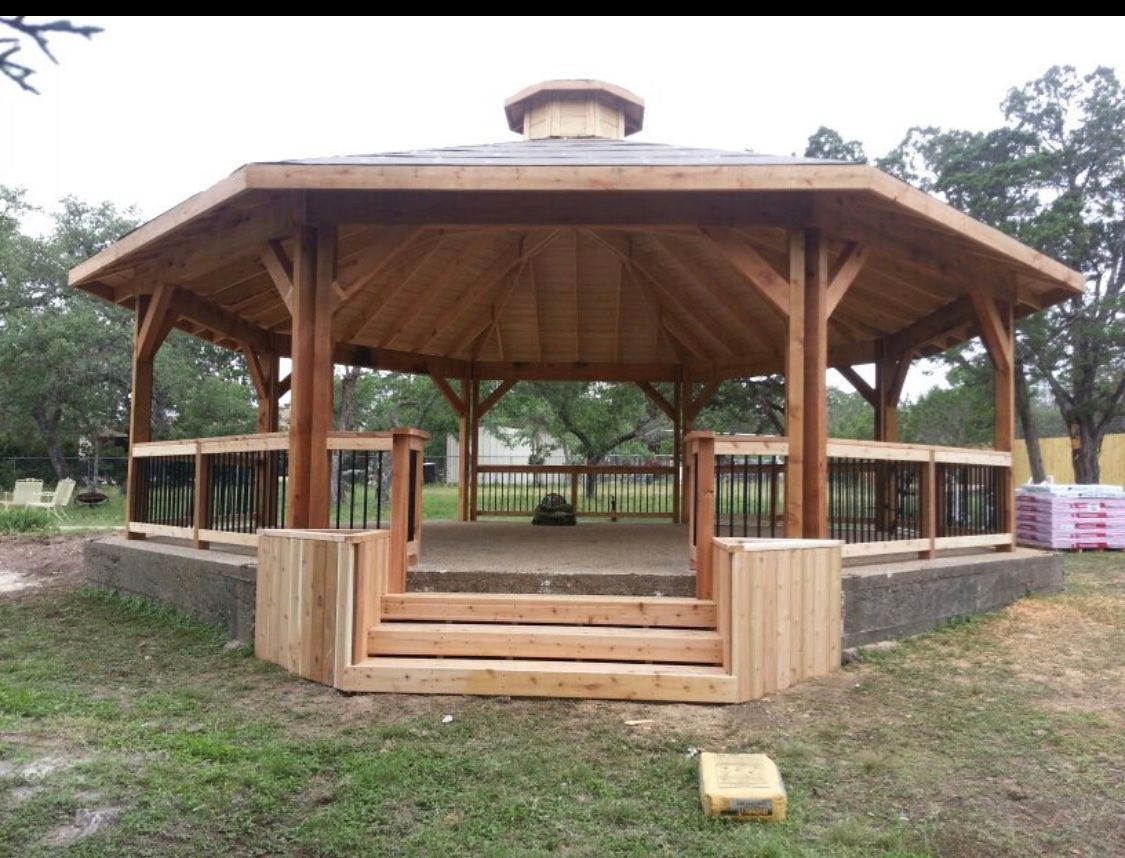
Wooden gazebo with octagonal roof on a concrete platform with steps.
February 28, 2026
A backyard is more than just an outdoor space; it is an extension of your home where memories are made, relaxation is embraced, and personal style is showcased. In recent years, homeowners have increasingly sought ways to elevate their outdoor living areas, blending functionality with aesthetics.
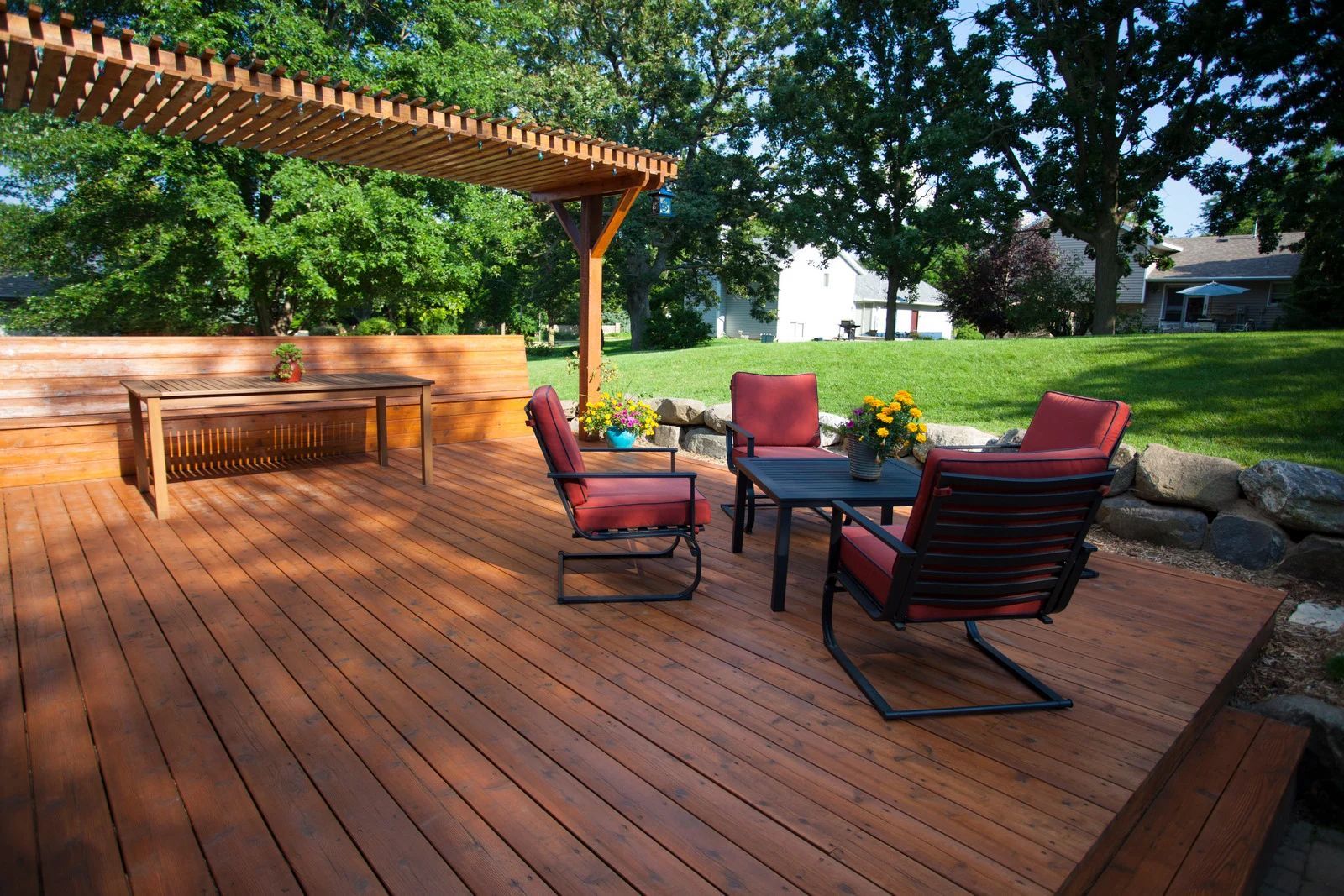
Wooden deck with seating area and pergola in backyard.
December 27, 2025
Creating an inviting and functional outdoor space is no longer just a trend—it’s an essential aspect of modern home design. Homeowners are increasingly seeking ways to expand their living areas beyond the confines of walls, and a custom deck offers the perfect solution.
Wooden gazebo with octagonal roof on a concrete platform with steps.
February 28, 2026
A backyard is more than just an outdoor space; it is an extension of your home where memories are made, relaxation is embraced, and personal style is showcased. In recent years, homeowners have increasingly sought ways to elevate their outdoor living areas, blending functionality with aesthetics.
Wooden deck with seating area and pergola in backyard.
December 27, 2025
Creating an inviting and functional outdoor space is no longer just a trend—it’s an essential aspect of modern home design. Homeowners are increasingly seeking ways to expand their living areas beyond the confines of walls, and a custom deck offers the perfect solution.

Share this article