
30+
Years Of Experience
Patios Designed for Comfortable Year-Round Use
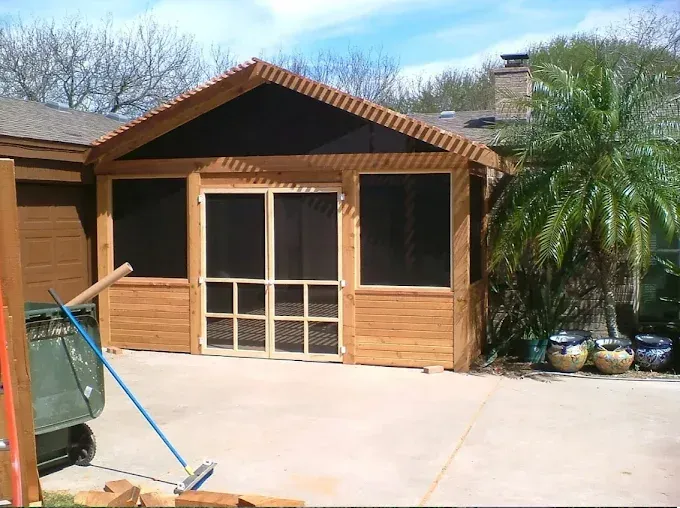
Screened Patio Enclosures and Installation in San Antonio for outdoor spaces that need protection from insects and seasonal debris
Screened patio enclosures reduce insect activity and airborne debris while maintaining ventilation and visibility, which allows you to use your patio during evenings and after storms without dealing with mosquitoes, flies, or leaves accumulating on furniture. Decksteriors designs enclosures in San Antonio that integrate with your existing patio structure, using framing systems that attach to the roofline or support posts and screen panels sized to fit door openings and window sections. The installation considers wind exposure, roof overhang, and whether the patio floor is concrete, pavers, or decking, which affects how the framing is anchored and how the enclosure handles drainage.
Enclosure construction involves attaching vertical framing to the patio's structural supports, installing horizontal rails that maintain screen tension, and fitting screen panels with spline channels that prevent sagging over time. Screen material is selected based on mesh size that blocks insects while allowing airflow, and door frames are hung with self-closing hinges that seal properly without requiring constant adjustment. The owner remains involved during installation to verify that framing is level, screen panels are taut, and door clearances allow smooth operation without binding or gaps.
Schedule a consultation for screened outdoor living solutions to review your patio layout and discuss enclosure options.
Why Screened Enclosures Work for Extended Outdoor Comfort
Enclosure design begins with measurements of your patio perimeter and an assessment of how the enclosure will attach to existing roof structures, posts, or walls. Framing is positioned to minimize visual obstruction while providing support for screen panels that resist wind pressure and incidental contact. Door placement is planned based on traffic flow between the patio and yard, and threshold details are finished to prevent tripping hazards while keeping insects from entering beneath the door.
Once the enclosure is complete, you notice fewer insects on seating surfaces and less time spent sweeping leaves and pollen from furniture after windy days. The screened area remains cooler than fully enclosed sunrooms because air circulates freely, and you can open doors and windows inside the house without inviting insects into interior rooms. Outdoor lighting becomes more effective in the evening because moths and other insects stay outside the screened perimeter, and you can leave food and drinks on tables without attracting flies or wasps during gatherings.
Screened enclosures include framing installation, screen panel fitting, door assembly, and trim work, but do not include electrical outlets, ceiling fans, or solid roof sections unless discussed during design. The height of the enclosure and the number of door openings affect material costs and the complexity of framing required to maintain structural stability in open-air conditions.
Answers to Frequent Service Questions
Property owners considering screened patio enclosures often ask about screen durability, maintenance needs, and how the enclosure affects patio temperature and usability.
What type of screen material lasts longest in Texas heat?
Fiberglass screen resists UV damage and maintains flexibility without becoming brittle, while aluminum screen offers greater tear resistance and does not sag as quickly, making it suitable for patios with pets or high traffic where incidental contact is common.
How do you attach an enclosure to an existing patio roof?
Framing is mounted to the fascia board or roof beams using lag screws and brackets rated for wind load, and flashing is installed where the framing meets the roofline to prevent water from running behind the attachment points and causing wood rot or staining.
When should I add a screened enclosure to my patio?
Enclosures are most often added after patio construction is complete and furniture placement is finalized, which allows you to plan door locations based on actual traffic patterns and ensures the enclosure does not interfere with existing features like outdoor kitchens or fire pits.
How much does a screened enclosure reduce insect problems?
Properly installed screen enclosures with 18x16 mesh or finer block mosquitoes, flies, and most other flying insects, which makes evening outdoor use significantly more comfortable during warm months when insect activity peaks in San Antonio and surrounding areas.
What maintenance does a screened enclosure require?
Screens should be hosed down periodically to remove pollen and dust that accumulate in the mesh, and door hinges and latches benefit from occasional lubrication to maintain smooth operation, while damaged screen panels can be replaced individually without disassembling the entire enclosure.
Decksteriors serves homeowners throughout San Antonio and surrounding Hill Country areas with screened enclosures that extend outdoor living comfort. Contact the team to discuss custom enclosure designs suited to your patio and climate needs.